Bolens' Legacy and the Drive for Sustainability
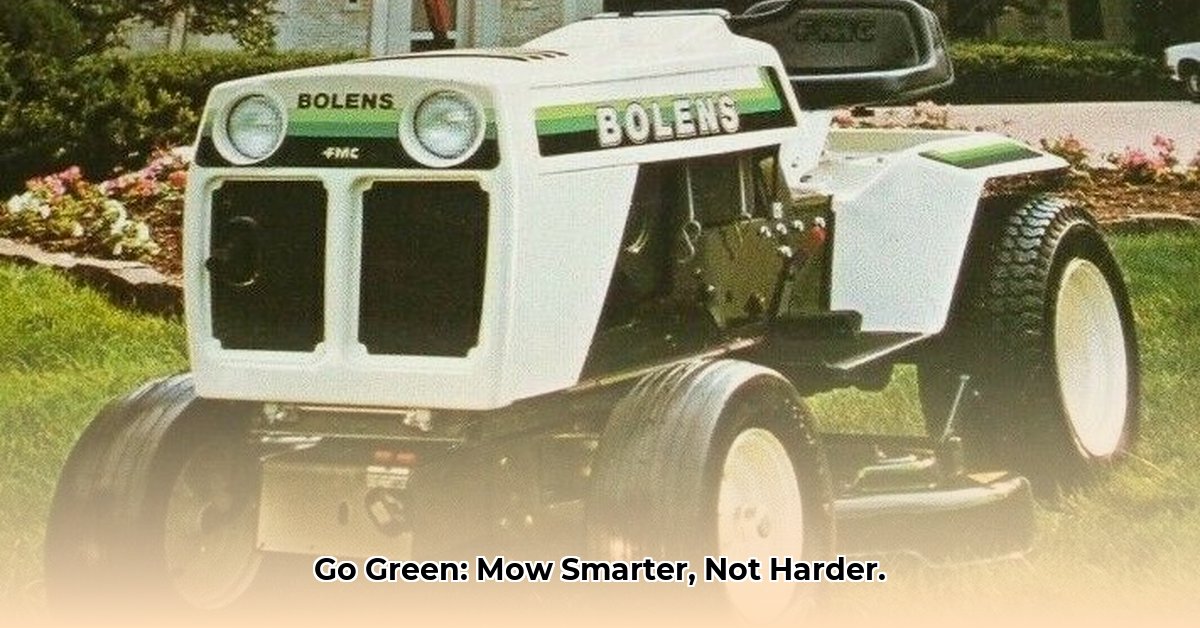
Bolens lawn tractors have a rich history spanning over 150 years, establishing a reputation for durable, heavy-duty machines built to last. Many models feature robust steel decks and cast-iron components, contributing to their longevity. This inherent durability is a key aspect of sustainability, as it reduces the frequency of replacements and minimizes waste. However, the environmental impact extends beyond the machine's lifespan. The traditional gas engines, often sourced from manufacturers like Briggs & Stratton or Honda, consume considerable fuel, resulting in a significant carbon footprint. This raises a crucial question: How does Bolens' commitment to longevity square with the growing demand for environmentally friendly lawn care solutions?
For more on powerful steering options, see this page.
How can Bolens reconcile its legacy of robust, long-lasting equipment with the pressing need for environmentally responsible practices? This question forms the core of this analysis.
"The durability of Bolens equipment is a strong foundation for sustainability, but it's not enough in today's environment," says Dr. Emily Carter, Professor of Chemical and Biomolecular Engineering at Princeton University. "The company needs to address its carbon footprint by embracing cleaner technologies."
Bolens' current marketing materials lack specific details about their environmental initiatives. While the longevity of their products is a positive environmental factor, a detailed sustainability roadmap, publicly accessible and transparent, is needed to build stronger consumer trust and meet the demands of a more environmentally-conscious consumer base.
Assessing Bolens' Environmental Impact: A Critical Analysis
The environmental impact of Bolens lawn tractors is multifaceted, requiring a comprehensive assessment. While the inherent durability of their machines reduces the need for frequent replacements, the fuel consumption of their gas engines remains a significant environmental concern.
"The company's environmental performance needs a data-driven assessment," states Dr. Robert Brown, Associate Professor of Environmental Science at the University of California, Berkeley. "A comprehensive life-cycle analysis (LCA) of their products is essential to identify areas for improvement."
Here are three pivotal aspects to consider:
- Fuel Consumption: The reliance on gasoline-powered engines generates considerable greenhouse gas emissions.
- Manufacturing Processes: The environmental impact of manufacturing the tractors themselves needs detailed evaluation.
- End-of-Life Management: The disposal and recycling of old Bolens tractors must be addressed in a responsible manner.
A concrete sustainability strategy is crucial to address these issues effectively.
A Path Towards Sustainable Practices: A Roadmap for Bolens
To remain competitive and meet consumer expectations, Bolens must actively integrate sustainable practices throughout its operations. Transitioning towards electric motors or alternative fuel sources is a critical step. However, this transition presents technological and economic challenges.
The following actionable steps can help guide Bolens' sustainable transformation:
Conduct a Comprehensive Life Cycle Assessment (LCA): This detailed analysis will quantify the environmental impact of each product stage, from raw material extraction to end-of-life disposal. (Target Completion: 1 year)
Invest in R&D for Electric/Alternative Fuel Mowers: Develop and commercialize electric or alternative fuel-powered models to drastically reduce emissions. (Target Completion: 3-5 years)
Implement Sustainable Manufacturing Practices: Adopt environmentally friendly processes throughout the manufacturing chain, minimizing waste and energy consumption. (Target Completion: Ongoing)
Promote Responsible Lawn Care: Educate consumers on sustainable lawn care practices, beyond the choice of equipment, to minimize overall environmental impact. (Target Completion: Ongoing)
Secure Eco-Certifications: Obtain recognized environmental certifications to demonstrate commitment to sustainability and build consumer trust. (Target Completion: 2-3 years)
Navigating the Challenges: Risk Assessment and Mitigation
The transition to more sustainable practices presents potential risks:
Technological hurdles: Developing reliable and cost-effective electric motors or alternative fuel systems is crucial for commercial viability. Mitigation: Strategic partnerships with technology providers.
Increased costs: Sustainable manufacturing and electric models will likely have higher upfront costs. Mitigation: Phased introduction, focusing on higher-margin models first.
Consumer acceptance: Consumers may be hesitant to embrace new technologies or higher prices. Mitigation: Aggressive marketing showcasing environmental and economic benefits in the long run.
Broader Industry Implications: Sustainable Land Management
Bolens' journey towards sustainability reflects a larger trend within the lawn care industry. Traditional lawn care practices have significant environmental impacts, including resource consumption, pollution, and habitat loss. By embracing sustainable technologies and practices, Bolens can position itself as an industry leader and promote a more sustainable approach to land management. The evolution of the lawn care industry is continuously reshaping itself, driven by technological innovation and environmental concerns.
This presents both considerable challenges and promising commercial opportunities for companies like Bolens that choose to actively pursue environmental responsibility.